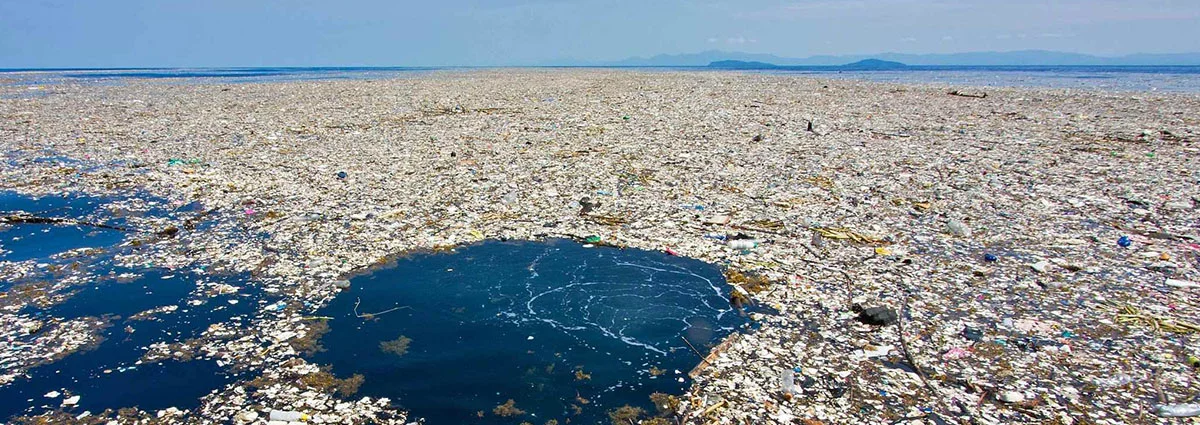
Clean Okean is a mission-driven
NFT collection on Somnia
created to shed light on the critical issue of global ocean pollution.
Each digital artwork in this series is more than just a collectible;
it's a beacon of hope for the world's oceans, transforming the problem
of waste into a vision of beauty and resilience.
By minting a Clean Okean NFT, you are directly supporting frontline
organizations dedicated to cleaning our seas, protecting marine life,
and finding sustainable solutions to prevent plastic pollution. A
significant portion of the primary sales and royalties will be channeled
to trusted non-profits and cleanup initiatives.
Join our tide of change. Own a piece of the solution. Together, we can
turn the tide on ocean pollution.
Roadmap for Cleaning the World's Ocean of Plastic Pollution
This roadmap presents a comprehensive approach that combines the cleanup
of existing pollution with the prevention of new waste.
Phase 1: Immediate Action & Scientific-Technical Preparation (2024-2028)
Goal: Establish the infrastructure, scientific base, and
regulatory framework for large-scale cleanup.
1. Innovation in Waste Collection:
-
Deployment of a Cleaning Fleet: Design and launch
specialized vessels (from small to large) capable of efficiently
collecting waste in coastal areas and the open ocean.
-
Use of AI and Drones: Utilizing drones and satellites
with artificial intelligence to map garbage patches, track waste
pathways, and optimize collector routes.
-
Incentives for the Fishing Fleet: Programs where
fishermen bring plastic waste collected in their nets to ports for a
reward, turning them into active cleanup participants.
2. Creation of Recycling Infrastructure:
-
Construction of Coastal Hubs: Building specialized
port terminals for sorting, primary processing, and baling collected
ocean plastic.
-
Implementation of Pyrolysis: Using pyrolysis
technologies (oxygen-free heating) to recycle mixed and contaminated
plastic that cannot be mechanically recycled into diesel fuel or new
raw materials.
3. Scientific Research & Standard Development:
-
Research on Biodegradable Materials: Investing in
research on hemp-based materials and other biopolymers. Focus on:
-
Speed and safety of biodegradation in various natural
environments.
-
Strength and barrier properties to replace traditional plastics.
-
Development of international standards and certification for such
packaging.
Ecosystem Impact Assessment: Studying the impact of
cleanup operations on marine flora and fauna to minimize harm.
Phase 2: Transition & Scaling (2029-2035)
Goal: Drastically reduce the inflow of new plastic into
the ocean and begin mass production of alternatives.
1. Aggressive Cleanup:
-
Fleet Scaling: Increasing the number of
garbage-collecting vessels and their coverage areas, including
hard-to-reach regions.
-
Deployment of Oceanic Barriers: Installing floating
barriers in rivers and estuaries, which are primary sources of ocean
debris.
2. Stimulating Hemp-Based Packaging Production:
-
Agricultural Subsidies: Government support for
farmers transitioning to growing industrial hemp for bioplastics
production.
-
Tax Incentives for Manufacturers: Creating favorable
conditions for companies investing in the production and development
of hemp-based packaging.
-
Construction of Processing Plants: Deploying a
network of facilities for processing hemp into cellulose and
biopolymers.
3. Tighter Regulations:
-
Bans and Restrictions: Phased bans on the production
and use of single-use plastics (bags, straws, cutlery) that are
difficult to collect and recycle.
-
Extended Producer Responsibility (EPR): Mandating
that companies producing plastic goods finance the collection and
disposal of their packaging waste.
Phase 3: Sustainable Circular Economy (2036-2045)
Goal: Achieve dominance of biodegradable materials and
minimize the entry of any waste into the ocean.
1. Dominance of Hemp and Other Bio-Based Packaging:
-
Mass Transition: Hemp packaging becomes the standard
for most sectors of retail, food industry, and logistics.
-
Development of Composting Infrastructure: Expanding
municipal and industrial composting systems where such packaging can
naturally decompose.
-
Continuous Improvement of Properties: Ongoing
scientific work to make materials more durable, cheap, and functional.
2. Global Monitoring and Rapid Response System:
-
Satellite Network: Implementing a global system for
near real-time tracking of any potential waste accumulation.
-
Mobile Rapid Response Teams: Maintaining a fleet for
prompt response to new pollution incidents before they become large
patches.
3. Education and Culture:
-
Environmental Education: Integrating the principles
of the circular economy and responsible consumption into educational
curricula at all levels.
-
Public Acceptance: Conscious consumer choice of
products in eco-friendly packaging as a social norm.